

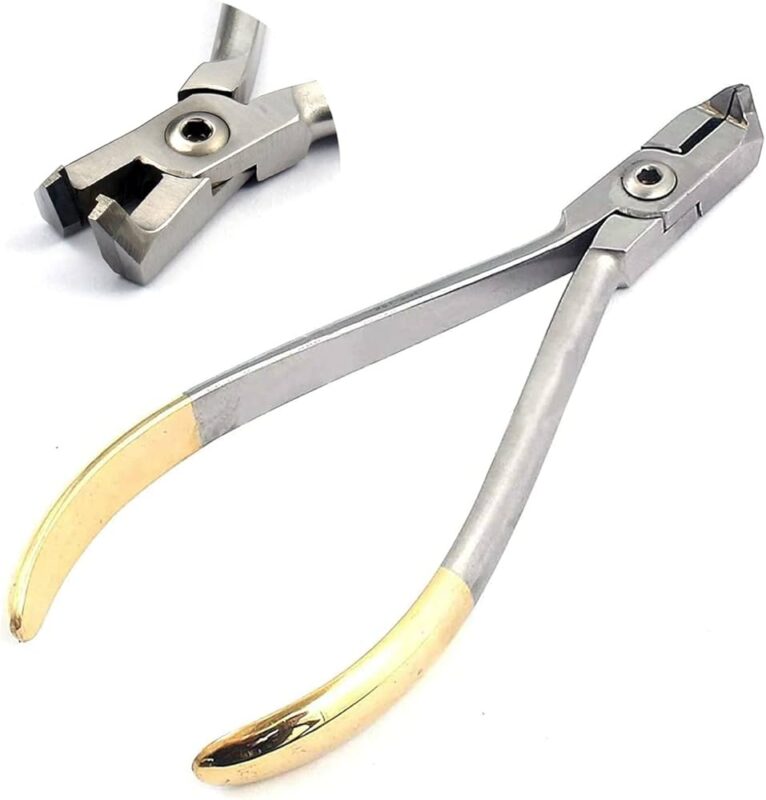
Orthodontic Pliers: Essential Tools for Precision in Modern Orthodontics
Orthodontic pliers are essential instruments in modern dental practice, helping orthodontists perform precise adjustments with accuracy and control. From wire bending to bracket placement, these specialized tools support efficient treatment and improved patient outcomes. Their role in modern orthodontics is critical, making them a standard part of every professional orthodontic setup.
What Are Orthodontic Pliers?
Orthodontic pliers are precision dental instruments designed specifically for orthodontic procedures. Unlike standard dental tools, they are made to handle wires, brackets, and appliances with a high level of control. These instruments are commonly manufactured from premium stainless steel, offering strength, durability, and corrosion resistance for long-term clinical use.
Each design serves a different purpose, allowing orthodontists to complete highly specific tasks with greater efficiency and consistency.
Why Orthodontic Pliers Matter in Orthodontics
Orthodontic treatment depends heavily on precise adjustments. Small inaccuracies in wire bending or appliance handling can affect alignment and treatment progress. This is why orthodontic pliers are considered essential for daily orthodontic procedures.
They help practitioners perform detailed work with better control, reduce treatment time, and improve overall patient comfort. Their specialized construction supports more predictable clinical outcomes and smoother workflows.
Common Types Used in Orthodontic Procedures
Different procedures require different instrument designs. Some are made for wire bending, while others focus on gripping, cutting, or appliance removal.
Bird Beak Design
Commonly used for bending loops and shaping wires, this design is ideal for creating detailed wire adjustments.
Weingart Design
Useful for guiding archwires into brackets and tubes, offering a strong grip and reliable control.
Distal End Cutters
Designed for trimming wire ends safely and efficiently while improving chairside safety.
Ligature Cutters
Used for cutting ligature wires cleanly during bracket and wire adjustments.
Mathieu Design
Often used for placing elastic ligatures quickly and accurately during routine adjustments.
Bracket Removing Design
Helps remove brackets safely with reduced stress on enamel and greater patient comfort.
Key Features to Look For
High-quality orthodontic pliers should provide both precision and durability. Important features include:
- Ergonomic handles for comfort
- Precision-aligned tips for accuracy
- Stainless steel construction for durability
- Corrosion resistance for long-term use
- Smooth joint movement for better control
- Sterilization compatibility for clinical hygiene
These features improve instrument performance and make daily procedures more efficient.
Benefits of Using High-Quality Orthodontic Pliers
Choosing premium orthodontic pliers offers several practical advantages in clinical settings. They improve treatment precision, support better wire control, and reduce the risk of instrument-related errors.
They also help shorten chair time, improve handling, and enhance patient comfort during adjustments. For busy practices, reliable instruments contribute to smoother procedures and more consistent treatment outcomes.
How to Choose the Right Instrument
Selecting the right orthodontic pliers depends on the type of procedure being performed. Dental professionals should evaluate build quality, tip design, comfort, and long-term reliability before making a purchase.
The best instruments combine durability, precision, and ease of use. Investing in dependable tools can improve both efficiency and treatment quality over time.
Maintenance and Care
Proper maintenance is important for preserving performance and extending instrument life. After each use, tools should be cleaned thoroughly, sterilized correctly, and inspected for wear.
Routine lubrication of moving joints and proper storage also help maintain long-term performance. With regular care, orthodontic pliers remain reliable and effective for daily use.
Conclusion
Orthodontic pliers play a central role in modern orthodontic treatment by supporting precision, efficiency, and control. Their specialized design allows orthodontists to perform detailed procedures with confidence and consistency. For practices focused on quality care and reliable results, these instruments remain an essential part of professional orthodontics.