

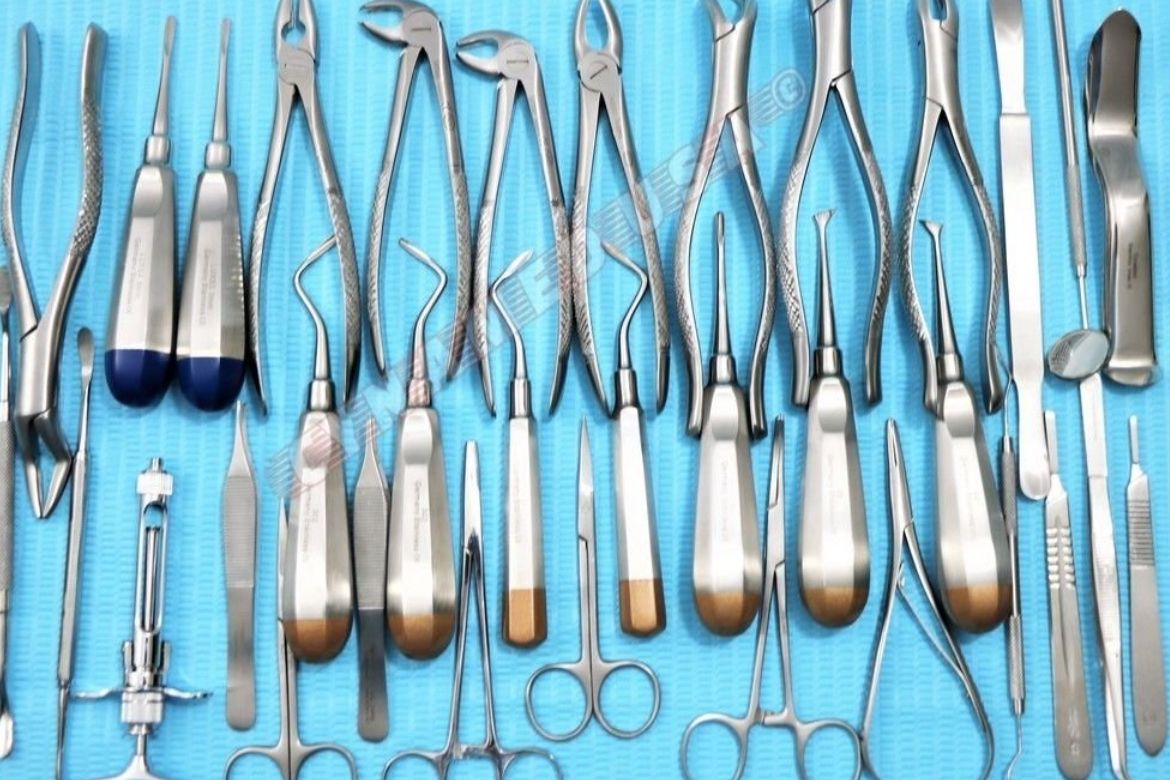
If you have ever been to a dentist to get a tooth pulled, you may have seen some shiny metal instruments on the tray. These are called dental extraction tools. They are special instruments that dentists use to safely remove a tooth from your mouth. In this article, we will explain everything you need to know about them in a simple and easy way.
Why Do Dentists Need Special Tools?
Removing a tooth is not as simple as just pulling it out. A tooth has roots that go deep into your jawbone. Without the right tools, pulling a tooth could hurt the bone or the gums. That is why every dentist uses a proper dental extraction tool to make the process safe and quick.
These tools are made of stainless steel. They are strong, clean, and safe to use inside the mouth.
Main Types of Dental Extraction Tools
There are different types of tools used for different kinds of teeth. Let us look at the most common ones.
1. Dental Forceps
Forceps are the most well-known tool. They look like a pair of tongs or pliers. The dentist uses them to hold the tooth firmly and move it back and forth until it becomes loose enough to pull out.
There are different types of forceps for different teeth:
- Upper forceps used for teeth on the top jaw
- Lower forceps used for teeth on the bottom jaw
- Molar forceps made specially for back teeth
- Pediatric forceps smaller forceps used for children’s teeth
Why Are Forceps So Important?
Forceps give the dentist a strong grip on the tooth. Without them, removing a tooth safely would be very hard. They allow the dentist to control the movement and avoid damage to nearby teeth or gums.
2. Dental Elevator
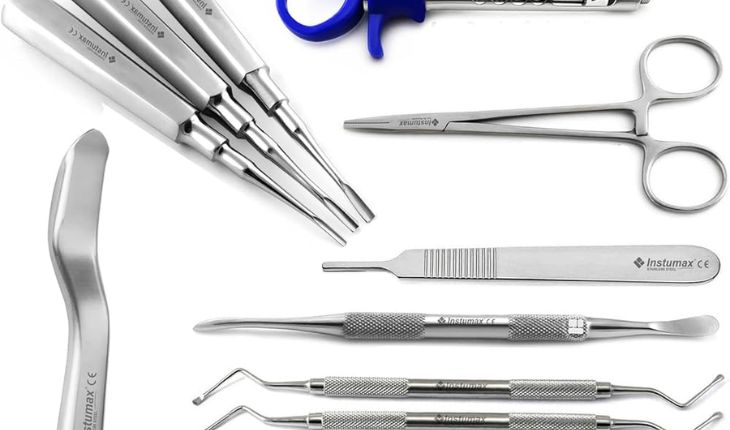
A dental elevator is another very important tool. It looks like a small flat screwdriver. The dentist uses it before using forceps.
The elevator is placed between the tooth and the gum. It is then gently pushed and twisted to loosen the tooth from the bone. This makes the tooth easier and less painful to remove.
Types of Elevators
- Straight elevator used for most regular teeth
- Cryer elevator used for broken roots or back teeth
- Luxator a thin elevator used for gentle, careful extractions
3. Periosteal Elevator
This tool is used to lift the gum tissue away from the tooth before extraction. It protects the soft tissue so the dentist can work safely. It is often the first tool used before any other extraction tool in a surgical removal.
4. Surgical Extraction Tools
Sometimes a tooth is stuck in the bone or has broken into pieces. In that case, the dentist needs extra tools like:
- Bone rongeur trims or removes small pieces of bone
- Dental chisel helps break apart a tooth that is stuck
- Surgical curette cleans the socket after the tooth is removed
When Are Surgical Tools Used?
Surgical tools are needed for:
- Wisdom teeth that have not come out yet
- Teeth that are broken at the gum line
- Teeth with very curved roots
How Does a Dentist Use These Tools?Step by Step
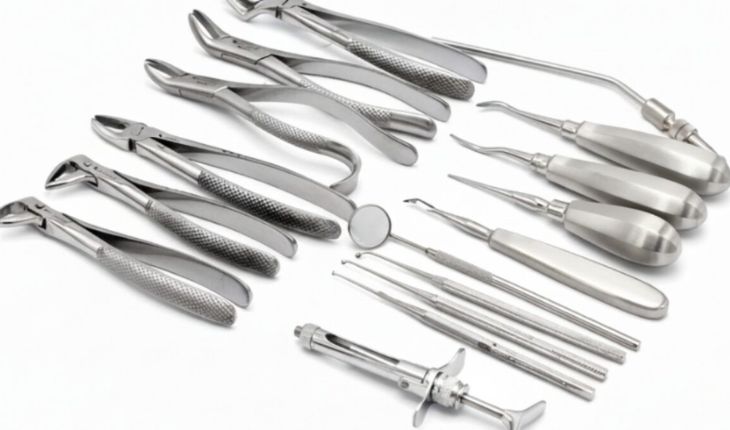
Here is a simple look at how a dentist uses a extraction tool during a tooth removal:
Numbing the Area
The dentist gives you a numbing injection so you do not feel pain.
Loosening the Gum
The periosteal elevator or a dental elevator is used to gently separate the gum from the tooth.
Rocking the Tooth
The dentist uses forceps to slowly rock the tooth from side to side. This loosens the roots.
Removing the Tooth
Once loose, the tooth is lifted out carefully using the forceps.
Cleaning the Socket
A dental curette is used to clean the empty socket and remove any leftover tissue.
How to Take Care of Your Mouth After Extraction
After your tooth is removed, your dentist will give you some simple instructions:
- Bite gently on a cotton gauze for 30–45 minutes
- Do not rinse your mouth for the first 24 hours
- Avoid hot food and drinks on the same day
- Take the medicines your dentist gives you
- Do not touch the empty socket with your tongue or finger
What Makes a Good Dental Extraction Tool?
Not all tools are the same. Here are the qualities of a good one:
- Made of stainless steel strong and rust-free
- German steel considered the best quality in dentistry
- Properly shaped each tool is shaped for a specific type of tooth
- Easy to grip the dentist needs full control during extraction
- Reusable or sterile tools must be clean and safe every time
Final Words
A tool is not just a simple instrument. It is a carefully designed piece of equipment that helps dentists do their job safely and without causing extra pain. From forceps to elevators, each tool has a special purpose. Next time you visit a dentist for a tooth removal, you will know exactly what those tools are and why the dentist is using them.
Taking care of your teeth is always better than removing them but when removal is needed, these tools make the process safe, fast, and as comfortable as possible.