

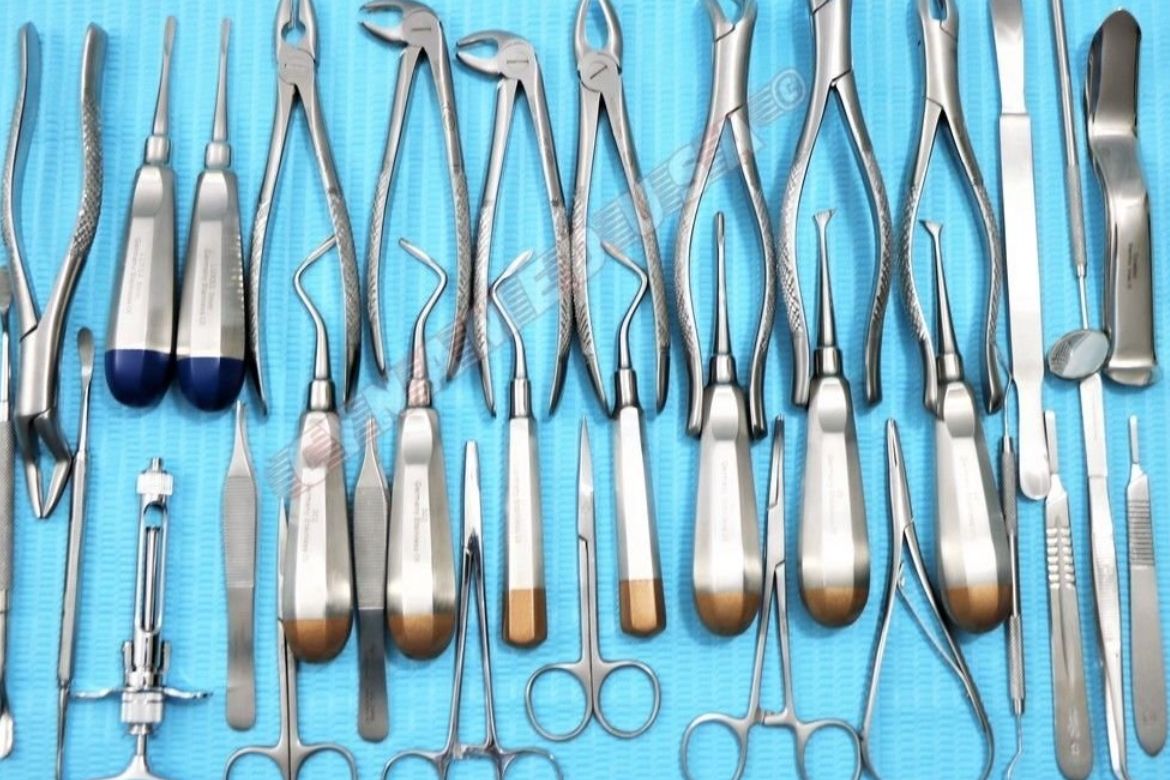
High-quality dental instruments are essential in modern dentistry. They help dentists work with precision, ensure patient safety, and deliver better treatment results. Among all materials, stainless steel dental tools have become the most popular choice for clinics around the world.
Stainless steel dental instruments are strong, durable, and resistant to rust. They can handle repeated sterilization without losing quality.
Why Stainless Steel is the Gold Standard for Dental Instruments
Stainless steel dental tools offer many important benefits. They are highly resistant to corrosion and rust, very strong, and long-lasting. These instruments are easy to sterilize and maintain good hygiene, which is critical for infection control.
Compared to other materials:
- Carbon steel is sharp but rusts easily.
- Titanium is lightweight and strong but much more expensive.
- Plastic is cheap but not durable enough for repeated use.
- Ceramic is used in some cases but lacks the strength needed for many procedures.
Advantages
of stainless steel dental instruments include excellent precision
good value for money, and easy maintenance.
Limitations: They are heavier than titanium and can corrode if not cleaned and dried properly.
Types of Stainless Steel Used in Dental Instruments
Different grades of stainless steel are used depending on the instrument type:
- 410 Stainless Steel: Strong and commonly used for non-cutting instruments like hemostats.
- 420 Stainless Steel: Harder grade, ideal for cutting instruments such as scissors and forceps.
- 304 Stainless Steel: Good corrosion resistance, often used for general instruments.
- 316L Surgical Grade Stainless Steel: The most recommended. It offers the best Stainless and biocompatibility, making it perfect for high-quality dental tools.
Martensitic stainless steel (like 410 and 420) is harder and better for sharp edges. Austenitic stainless steel (like 304 and 316L) provides better corrosion resistance and is more flexible.
Major Categories & Types of Stainless Steel Dental Instruments
Diagnostic Instruments
These tools help dentists examine the mouth. Common ones include mouth mirrors, explorers, probes, and tweezers. They are used to check teeth, gums, and detect problems like cavities or plaque.
Periodontal Instruments
Used for gum care, these include scalers, curettes, and periodontal probes. They help remove tartar and perform deep cleaning.
Restorative Instruments
These stainless steel dental tools are mainly used for fillings and cosmetic dental procedures. Common ones include:
- Excavators
- Composite placement tools
- Burnishers and carvers
High-quality stainless steel makes these instruments easy to handle and helps dentists shape the filling material accurately and smoothly.
Extraction & Surgical Instruments
These heavy-duty tools include forceps, elevators, surgical scissors, needle holders, and hemostats. They are essential for tooth extractions and minor surgeries.
Orthodontic Instruments
Pliers, cutters, and band pushers are used to adjust braces and wires.
Endodontic Instruments
Files, reamers, spreaders, and pluggers are used in root canal treatments.
Prosthodontic & Laboratory Instruments
These tools are used for making crowns, bridges, and lab work.
Common Uses of Stainless Steel Dental Instruments
Stainless steel dental instruments are used in almost every dental procedure from routine check-ups to complex surgeries. For example, explorers detect cavities, scalers clean teeth, and forceps remove teeth. Their smooth surface and precision help in daily clinical work as well as specialized treatments like root canals and gum surgeries. They support strict infection control when properly sterilized.
How to Choose the Right Stainless Steel Dental Instruments Buying Guide
Key Factors to Consider:
- Material Grade & Quality: Choose 316L surgical grade whenever possible.
- Brand Reputation: Look for trusted names from Germany, Pakistan, and USA.
- Ergonomics and Handle Design: Comfortable grips reduce hand tiredness.
- Rust Resistance & Finishing: Mirror polish, satin finish, or titanium coating options.
- Price vs Quality: Cheap tools often rust quickly and need frequent replacement.
- Warranty and After-Sales Service: Good brands offer better support.
- Set vs Individual: Buy full sets for new clinics; buy single tools for replacements.
Buying Tips:
- When shopping online, check product images and customer reviews carefully.
- Red flags: Very low prices, rough joints, or unclear material grade.
- Recommended countries: Germany for premium quality, Pakistan for good value and craftsmanship, USA for high-end brands.
Care, Maintenance & Sterilization of Stainless Steel Dental Tools
Proper care extends the life of your instruments.
- Rinse tools immediately after use.
- Clean using ultrasonic cleaners or soft brushes.
- Sterilize in autoclaves following manufacturer guidelines.
- Dry instruments completely before storage to prevent rust.
- Avoid mixing with carbon steel tools.
- Store in dry, clean areas.
Replace instruments when they become dull, loose, or show signs of wear.
Conclusion
Stainless steel dental instruments combine strength, precision, hygiene, and affordability. They remain the most practical choice for modern dental practices. By understanding the different types, their uses, and how to buy and maintain them, you can improve your clinic’s performance and patient care.
Investing in high-quality stainless steel dental tools is a smart long-term decision that saves money and delivers consistent results.