

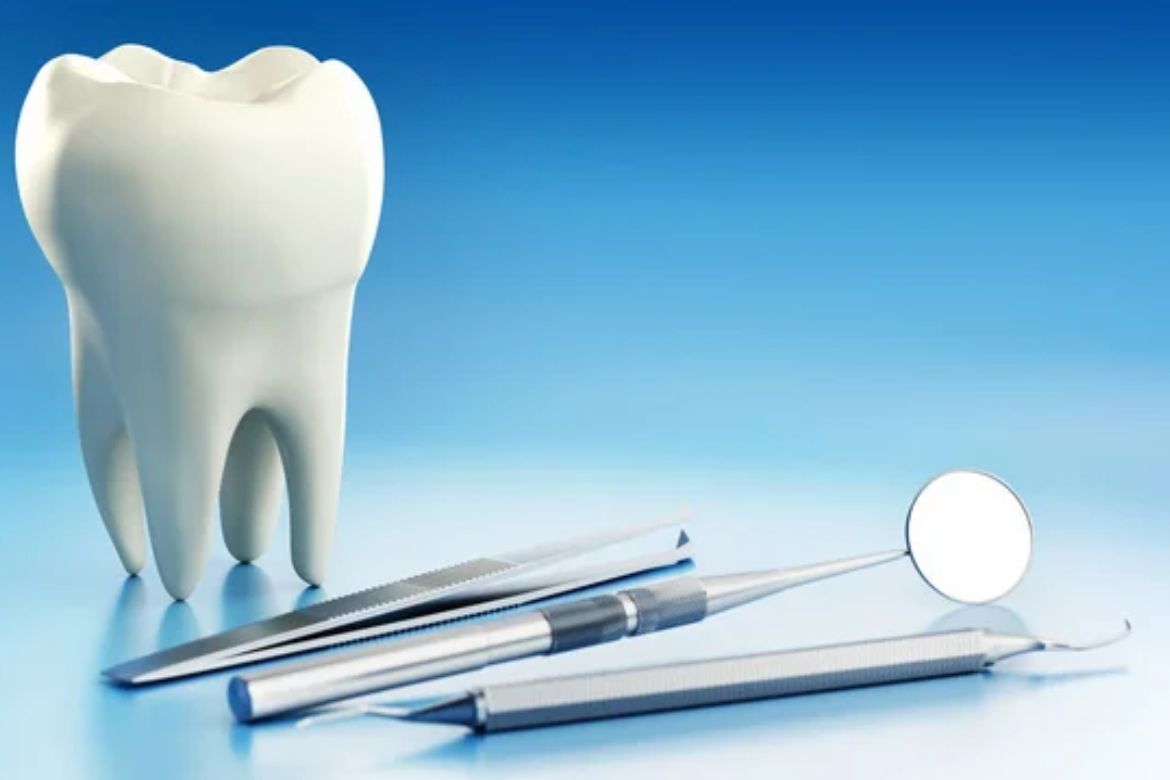
A dental examination mirror is a small round glass attached to a long handle. Dentists put it gently inside your mouth to see areas that are hard to look at directly.
Think of it like this just like you use a glass at home to see the reverse of your head, a dentist uses this glass to see the reverse of your teeth.
It’s also called
- Mouth glass
- Intraoral glass
- Dental glass
It’s one of the three introductory dental instruments every dentist keeps on their charger, along with the discoverer and the periodontal inquiry.
Parts of a Dental Examination Mirror
- Handle
- Shank (Neck)
- Mirror Head
Handle
The long part you hold. It’s generally made of pristine sword. It has small lines on it so the dentist can grip it fluently indeed when it’s wet.
Shank( Neck)
The thin connecting part between the handle and the glass. It’s slightly fraudulent so the dentist can fluently reach all corners of your mouth.
Mirror Head
The small round glass at the end. This is the most important part. It’s generally 16 to 24 mm wide lower than a coi
Types of Dental Mirrors
there are three types of dental mirror thatdentist use
- Plane Mirror (Flat Mirror)
- Concave Mirror
- Front Surface Mirror
Plane Mirror (Flat Mirror)
This is the most common type. It gives a clear and true picture of your teeth no deformation. still, it can occasionally show a double image called a ghost image, which can confuse the dentist.
Concave Mirror
This glass is slightly twisted inward. It makes the image look a little bigger. But the image can look slightly different from real life, so dentists use it less frequently.
Front Surface Mirror
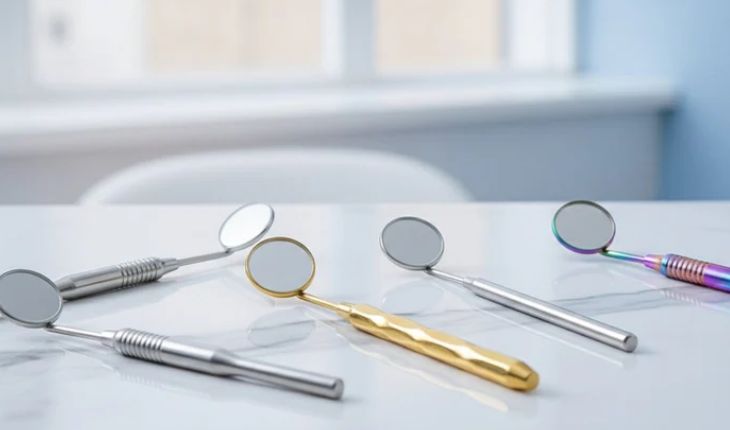
This is the best type. The shiny part is on the front of the glass, not the back. This means no ghost image and claer and sharp picture and utmost acurate for opinion
Why Front Surface Mirrors Win?
utmost professional dentists prefer frontal face glasses because they give the clearest image. A ghost image can make a dentist miss a depression or a crack in the tooth. The frontal face glass removes this problem fully.
Dental Examination Tool Sizes and Uses
| Size | Width | Best For |
|---|---|---|
| #2 | 16 mm | Children |
| #3 | 20 mm | Small adult mouths |
| #4 | 22 mm | Most adults (most common) |
| #5 | 24 mm | Large adult mouths |
Why Does Every Dentist Need a Dental Examination Mirror?
A dental examination glass is n’t just used for looking. It has four important use
circular Vision
The dentist uses the glass to see corridor of the mouth that they can not see directly like the aft sides of your teeth or under your lingo. This is the most important use.
Retraction
The dentist gently uses the glass to push the impertinence, lips, or lingo out of the way. This helps them see better without demanding another tool.
Transillumination
The dentist shines the dental light onto the glass which reflects it onto your tooth. This helps find early depressions and small cracks that are hard to see typically.
Light Reflection
Some areas inside the mouth are veritably dark. The glass reflects light into those dark areas so the dentist can see easily.
How to watch for a Dental Examination Mirror
Sterilization
Stainless sword glasses can be gutted in an autoclave machine( veritably hot brume)
Glass glasses can break under heat so check them precisely
Disposable glasses are used formerly and thrown down great for hygiene
When to Replace a Mirror
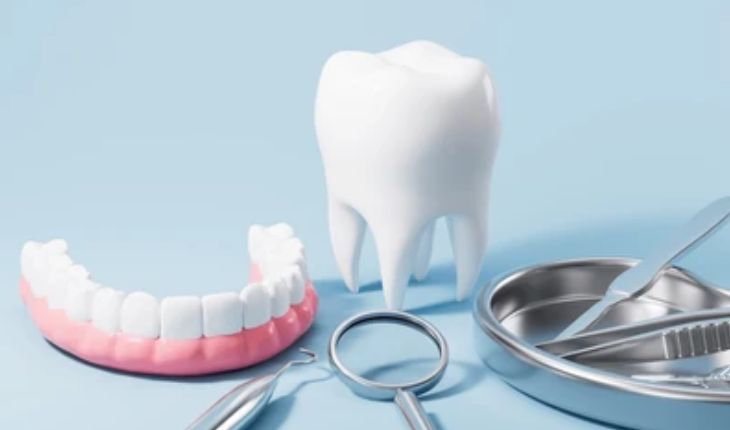
Replace your dental glass incontinently if you see
scrapes on the face
Foggy or dull reflection
Any coating coming off
A bad glass gives a bad image and a bad image leads to wrong opinion.
Anti-Fog Tips
Fogging is when
the glass becomes vague from the warm air inside the mouth. Then’s how to stop it
Warm the glass in hot water before use
Use ananti-fog spray
Ask the case to breathe through their nose
conclusion
A dental examination tool is small but mighty. It helps dentists see what the eye cannot see on its own. Whether it is finding a hidden cavity, reflecting light, or moving the tongue gently out of the way this tiny tool does it all.
If you are a dentist, always choose a front surface reflective instrument for the clearest image. Check your dental tools regularly and replace them when needed.
Because in dentistry, what you see determines what you do and the right instruments makes sure you never miss a thing.