

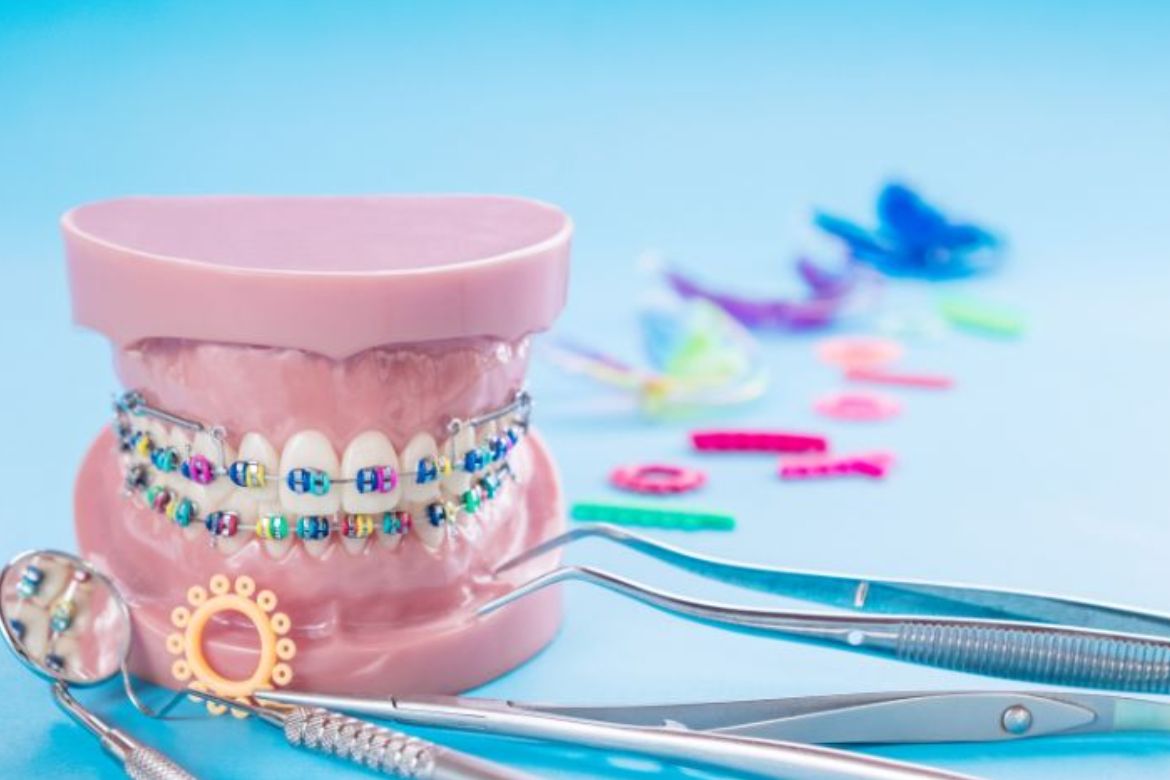
Modern orthodontic treatment has transformed dramatically over the last decade. Gone are the days when a mouth full of metal was your only option. Today, you can straighten your teeth discreetly, comfortably, and faster than ever before often without anyone even noticing you’re in treatment.
Whether you’re considering orthodontics for yourself or your child, this comprehensive guide covers everything: the types of treatments available, how to choose the right one, what the process looks like, and how much it really costs. By the end, you’ll know exactly what steps to take toward the smile you’ve always wanted.
What Is Orthodontics And Who Is It For?
Orthodontics is a specialized branch of dentistry focused on diagnosing, preventing, and correcting misaligned teeth and jaws. Orthodontists complete an additional two to three years of training beyond dental school, specifically to master the science of tooth movement and jaw alignment.
While many people associate orthodontic treatment with teenagers in braces, the truth is that braces is for everyone. According to the American Association of Orthodontists, approximately one in four orthodontic patients today is an adult a number that continues to grow as treatment options become more comfortable and discreet.
You may benefit from braces if you experience any of the following:
- Crowded or overlapping teeth that are difficult to clean
- Gaps or spaces between teeth affecting your appearance or bite
- An overbite, underbite, crossbite, or open bite
- Jaw pain, clicking, or difficulty chewing
- Self-consciousness about the appearance of your teeth
- Speech difficulties linked to dental misalignment
4M+People in orthodontic treatment in the US at any time
25%Of orthodontic patients are adults
Types of Orthodontic Treatments Explained
Not all orthodontic treatments are created equal. The right option for you depends on the complexity of your case, your lifestyle, your budget, and your personal preferences. Here’s a breakdown of the most common orthodontic treatments available today:
Benefits Beyond a Straight Smile
Traditional Metal Braces 18 – 24 months
The most time-tested solution. Highly effective for complex cases including severe crowding, significant bite issues, and major jaw misalignment.
Ceramic Braces 18 – 24 months
Work like metal braces but use tooth-colored or clear brackets that blend with your teeth far less noticeable while being just as effective.
Retainers Ongoing
Used after active treatment to maintain your results. Fixed or removable, retainers are essential for ensuring your new smile lasts a lifetime.
Palate Expanders 3 – 12 months
Used primarily in children and teenagers to widen a narrow upper jaw, creating space for permanent teeth and correcting crossbites before they worsen
Benefits Beyond a Straight Smile
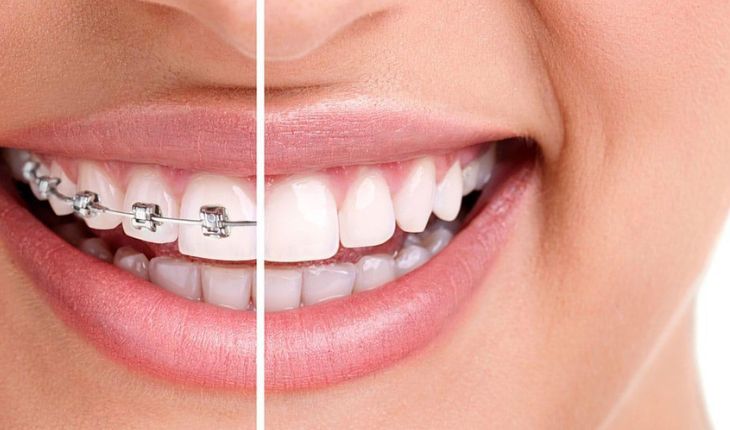
Many people pursue orthodontic treatment purely for cosmetic reasons and that’s completely valid. A straighter, more symmetrical smile can significantly boost self-confidence and even influence how others perceive you professionally. But the benefits of orthodontics go far deeper than aesthetics.
Improved Oral Hygiene
Crowded or overlapping teeth create hard-to-reach spaces where plaque and bacteria accumulate. Properly aligned teeth are dramatically easier to brush and floss, reducing the long-term risk of cavities and gum disease.
Better Bite Function
Malocclusions improper bites can place uneven stress on certain teeth, causing excessive wear, chipping, or fractures over time. Correcting your bite distributes chewing forces evenly, protecting your teeth for decades.
Relief from Jaw Pain and Headaches
Misaligned jaws are a leading contributor to temporomandibular joint (TMJ) disorders, which cause chronic jaw pain, headaches, and neck tension. Orthodontic treatment can resolve the root cause rather than just treating symptoms.
Straightening your teeth isn’t just about how you look it’s an investment in your long-term health that pays dividends for decades.
Improved Speech
Certain dental misalignments can affect how you produce sounds, leading to lisps or difficulties with certain consonants. Orthodontic correction can improve speech clarity in these cases, sometimes dramatically.
How to Choose the Right Orthodontic Treatment
With so many options available, choosing the right orthodontic treatment can feel overwhelming. Here are the key factors to consider when making your decision:
- Severity of misalignment: Mild cases are well-suited to clear aligners; complex cases may require traditional braces for optimal results.
- Lifestyle and discretion: If you work in a public-facing role, ceramic braces, lingual braces, or clear aligners may suit you better.
- Compliance and discipline: Clear aligners must be worn 20–22 hours per day to be effective. If that’s a concern, fixed options are more reliable.
- Budget and insurance: Metal braces are typically the most affordable option. Clear aligners and lingual braces generally cost more.
- Age and jaw development: Children and teenagers may benefit from interceptive braces for teens to guide jaw growth before all permanent teeth erupt.
What to Expect: The Orthodontic Process Step by Step
Understanding what the orthodontic journey looks like from start to finish helps remove the uncertainty and anxiety many patients feel before starting. Here’s a clear, honest breakdown of each stage:
Step 1: Initial Consultation
Your orthodontist will conduct a thorough examination of your teeth, bite, and jaw using X-rays and digital scans. They’ll discuss your goals, explain your treatment options, and provide a detailed quote. Many orthodontists offer this consultation free of charge.
Step 2: Treatment Planning
Using the diagnostic records collected, your orthodontist develops a personalized treatment plan. For clear aligner patients, this often involves creating a 3D simulation showing how your teeth will move over time.
Step 3: Beginning Active Treatment
Whether you’re getting braces bonded or receiving your first set of aligners, active treatment begins here. Initial adjustments can cause mild soreness lasting one to three days this is completely normal and indicates that your teeth are responding to treatment.
Step 4: Regular Check-ups and Adjustments
Throughout treatment, you’ll visit your orthodontist every four to ten weeks for progress checks and adjustments. These appointments are typically brief usually just 15 to 30 minutes but essential for ensuring treatment stays on track.
Step 5: Removal and Retention
Once your teeth have reached their target positions, braces are removed or aligner treatment concludes. This is often accompanied by a professional cleaning. You’ll then receive a retainer to wear nightly this step is non-negotiable if you want to preserve your results long-term.
Orthodontics for Adults: Is It Too Late?
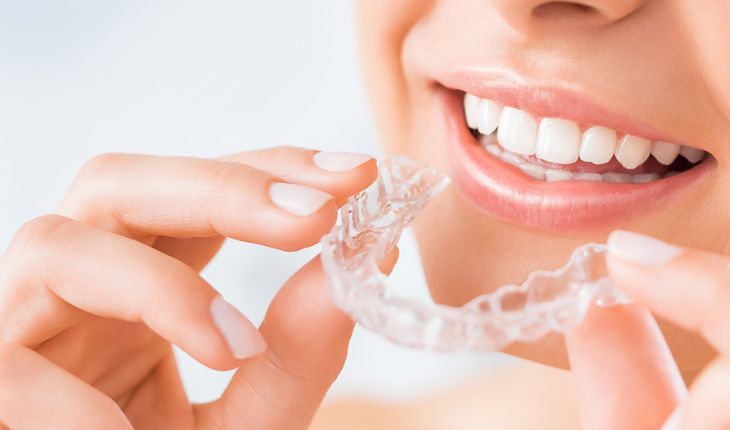
One of the most common misconceptions about this is that it’s only for children and teenagers. In reality, adults can achieve outstanding results at any age as long as their teeth and gums are healthy. Teeth can be moved throughout your lifetime because the biological process of tooth movement is the same whether you’re 14 or 54.
That said, adult braces does come with some considerations. Adult bones are fully developed and no longer growing, which means tooth movement may be slightly slower. Some adults may also need periodontal (gum) treatment before or alongside retainers to ensure healthy tissue support throughout the process.
The good news? The discreet treatment options available today particularly clear aligners and ceramic braces make it easier than ever for adults to pursue orthodontic treatment without it affecting their professional image or daily life.
Key Insight for Adults
Adult patients often report higher satisfaction with their results than younger patients possibly because they fully understand the value of the investment and are highly motivated to wear their retainers and follow post-treatment care instructions.
Cost, Insurance & Financing Options
Cost is one of the most common reasons people delay seeking orthodontic treatment but it shouldn’t be. Understanding what’s included in your quote and what financial options are available can make treatment far more accessible than you might think.
The typical cost of orthodontic treatment in the United States ranges as follows:
- Metal braces: $3,000 – $7,000
- Ceramic braces: $4,000 – $8,000
- Clear aligners (Invisalign): $3,500 – $8,500
- Lingual braces: $8,000 – $13,000
Many dental insurance plans include an orthodontic benefit for children and, increasingly, for adults. Additionally, most orthodontic practices offer in-house monthly payment plans with little to no interest, making treatment budget-friendly when spread over 12 to 24 months. Flexible Spending Accounts (FSA) and Health Savings Accounts (HSA) can also be used toward orthodontic expenses.
Always ask your orthodontist for a complete, itemized quote that includes retainers, X-rays, and all follow-up appointments so there are no surprises down the line.