

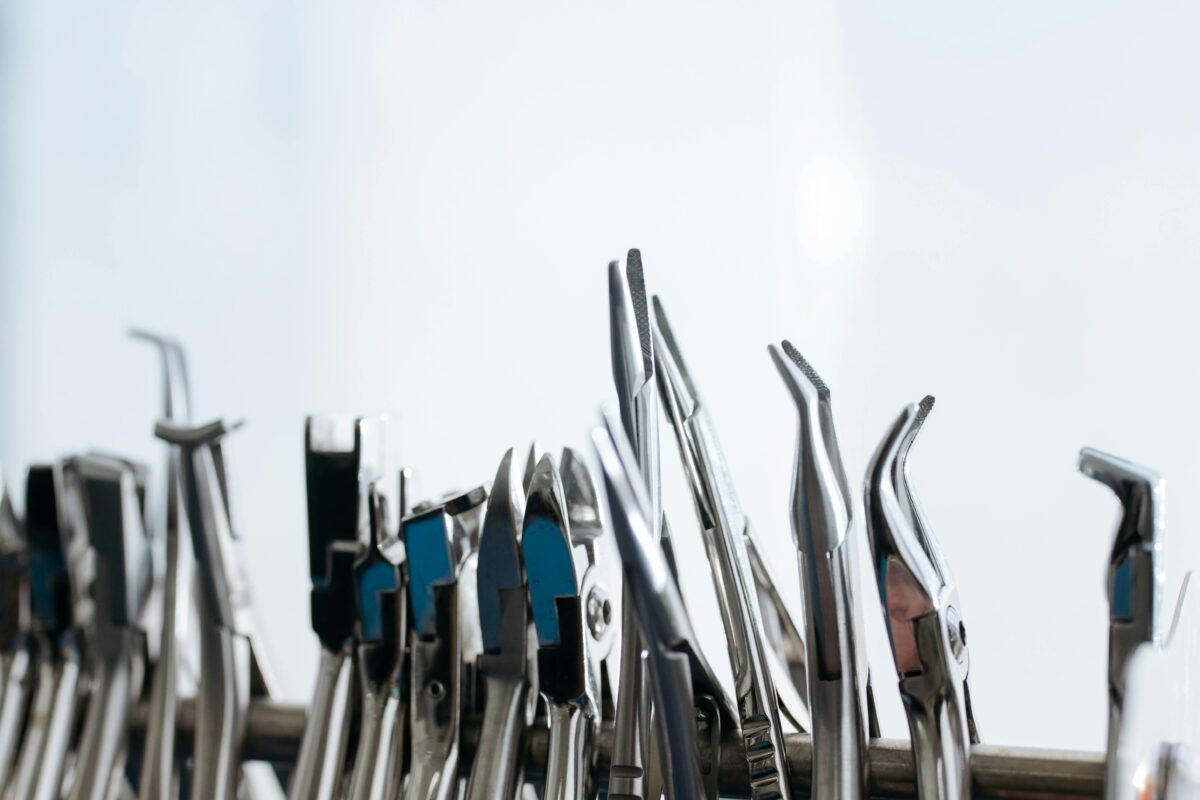
Orthodontic Cutters: A Complete Guide to Dental Wire Cutting Tools
When it comes to braces and orthodontic treatments, most people focus on the visible parts which is brackets, wires, and aligners. But behind every well-adjusted smile, there’s a set of precise tools doing the real work. One of the most important among them is orthodontic cutters.
These small yet powerful tools are essential for shaping, trimming, and adjusting wires during treatment. Without them, achieving comfort and accuracy in braces would be nearly impossible.
In this blog, we’ll explore what orthodontic cutters are, the different types available, and why they matter so much in modern dentistry.
What Are Orthodontic Cutters?
Orthodontic cutters are specialized dental instruments used to cut wires and small components in orthodontic procedures. These tools are designed to handle different wire thicknesses with precision and safety.
In simple terms, they help orthodontists adjust braces so that patients can wear them comfortably without sharp edges or excess wire causing irritation.
You might also hear them referred to as orthodontic wire cutters or part of a broader set of orthodontic pliers, which include various tools used for bending, cutting, and adjusting wires.
Why Are Orthodontic Cutters Important?
Braces involve constant adjustments. As teeth shift, wires need to be tightened, trimmed, or replaced. This is where orthodontic cutters become essential.
They help in:
- Removing excess wire after adjustments
- Preventing injury inside the mouth
- Ensuring smooth and accurate cuts
- Improving patient comfort
Without proper cutting tools, even a small mistake could lead to discomfort or complications dring treatment.
Types of Orthodontic Cutters
Not all cutters are the same. Each type is designed for a specific purpose, depending on the thickness and function of the wire.
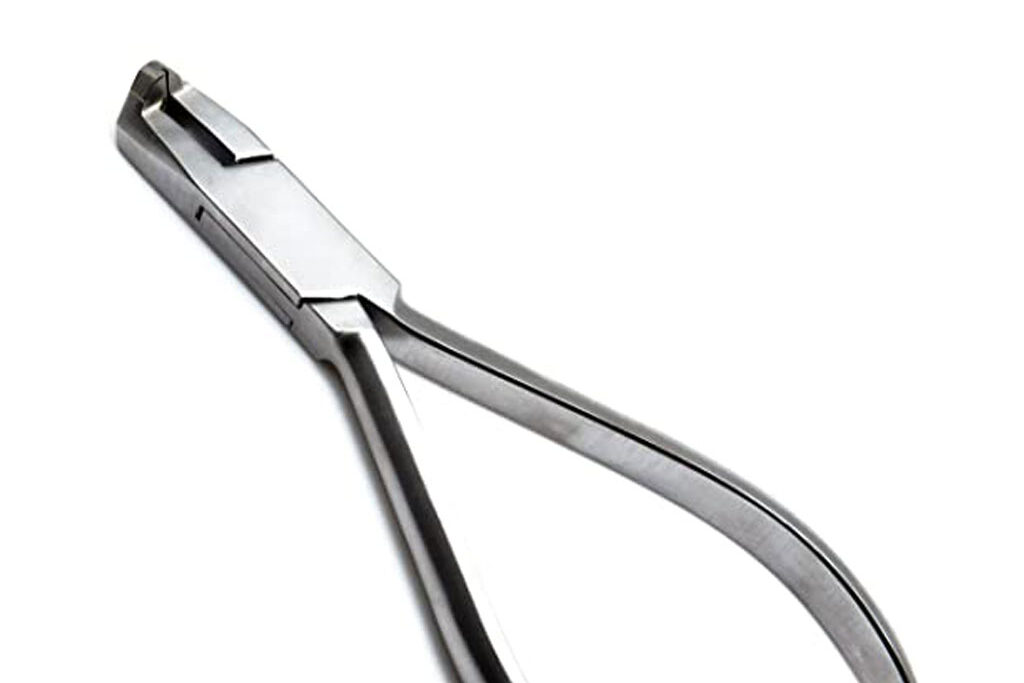
1. Distal End Cutter Orthodontics
One of the most commonly used tools in orthodontics is the distal end cutter orthodontics. It is specifically designed to cut the end of archwires.
What makes it unique is its ability to hold the cut wire piece, preventing it from falling into the patient’s mouth. This feature adds an extra layer of safety during procedures.
It’s widely used in routine adjustments and is considered a must-have tool in any orthodontic setup.
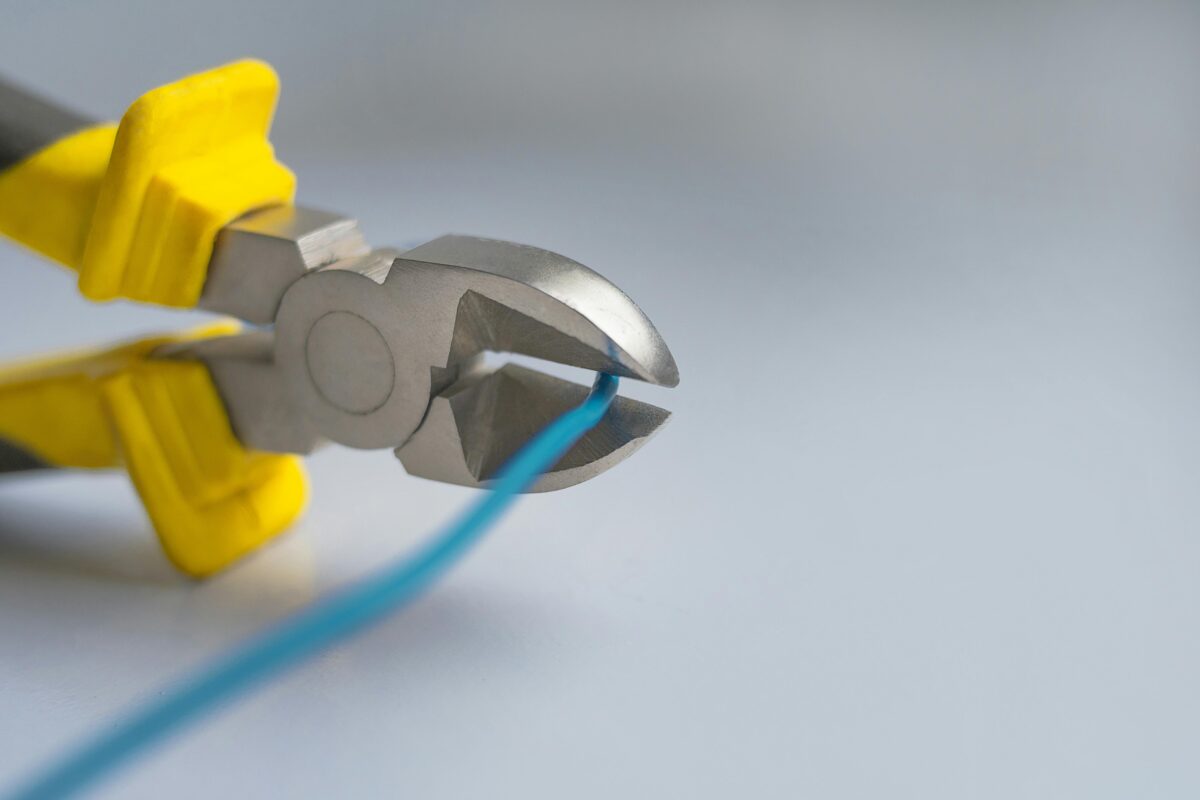
2. Ligature Cutter Orthodontics
The ligature cutter orthodontics is used to cut thin ligature wires that hold the brackets and archwire together.
These wires are delicate, so the cutter must be extremely precise. A clean cut ensures that there are no sharp edges left behind, which could irritate the patient’s cheeks or gums.
This tool is especially important during tightening sessions and minor adjustments.
3. Pin and Ligature Cutter
The pin and ligature cutter is a versatile tool that can handle both small pins and ligature wires.
It’s commonly used when orthodontists need a multi-purpose cutter during procedures. Instead of switching between tools, this cutter allows for quick and efficient work.
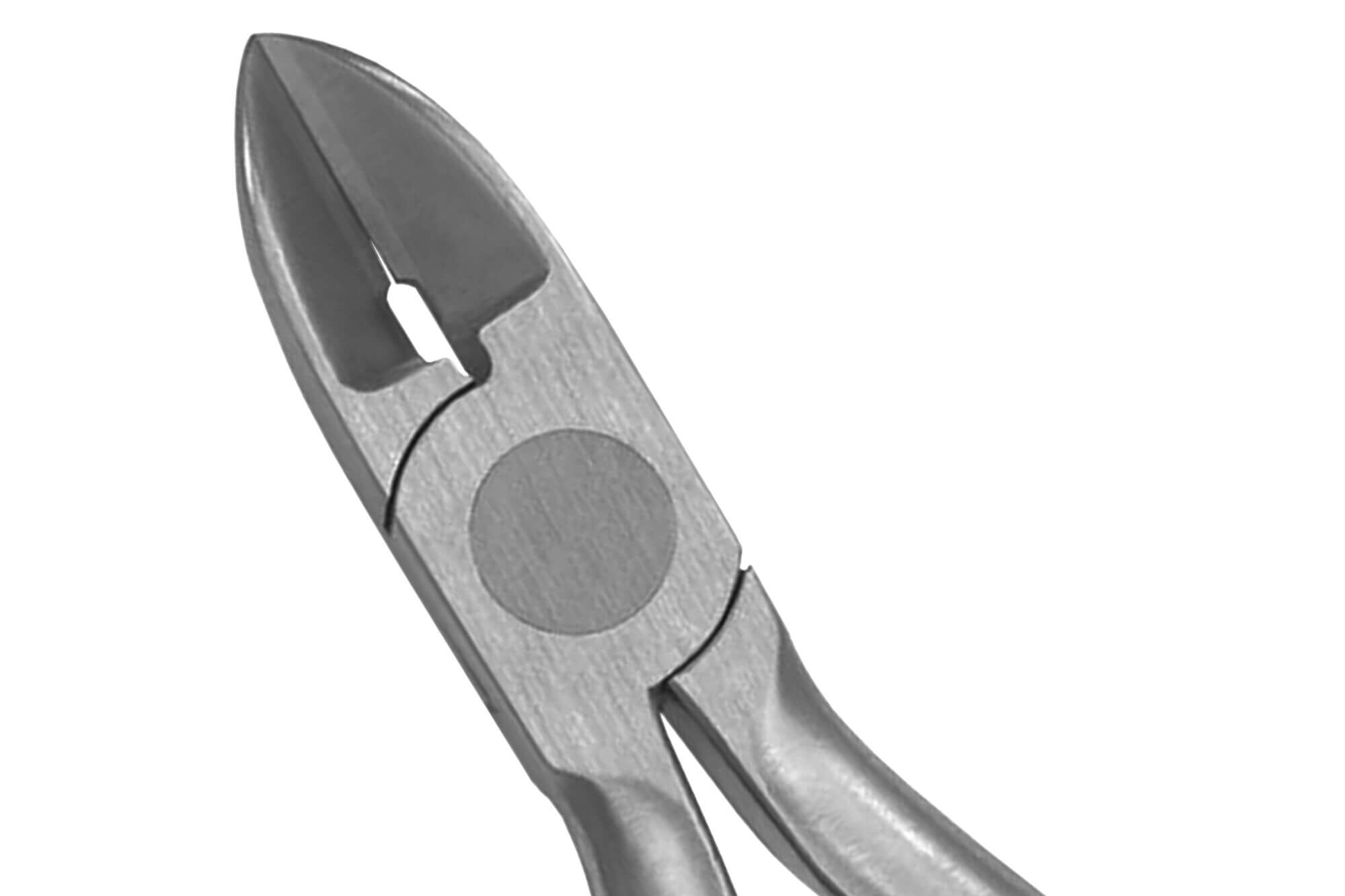
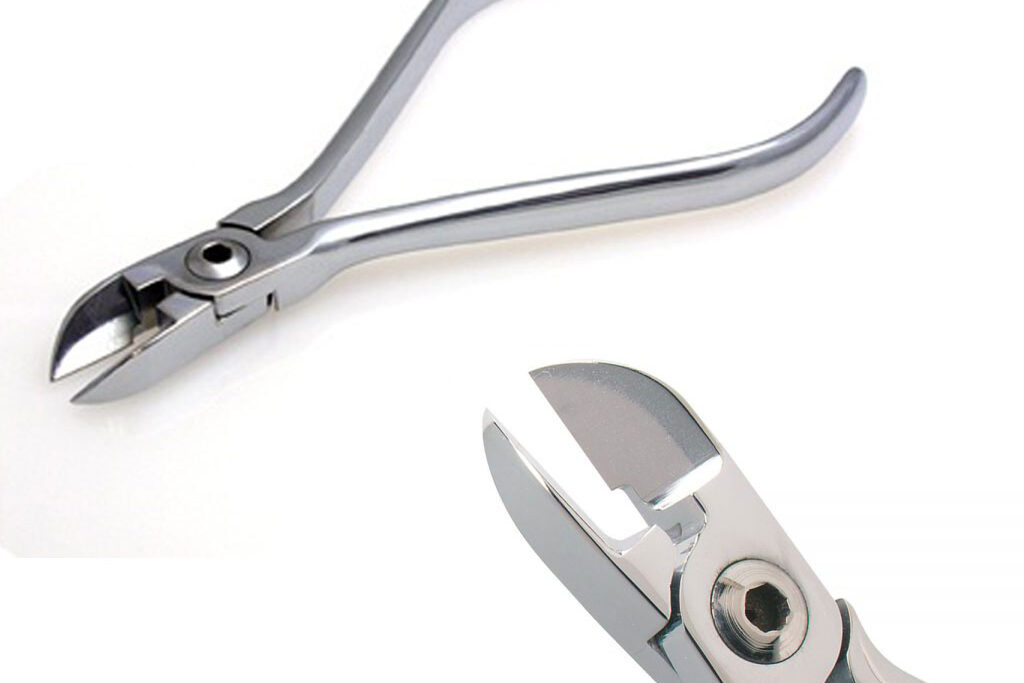
4. Ortho Wire Cutter
An ortho wire cutter is designed to handle thicker and stronger wires used in braces. These wires require more force to cut, so the tool is built with durability and strength in mind.
This type of cutter is often used during major adjustments or when replacing wires entirely.
Orthodontic Cutters vs Dental Cutter Machine
You might come across the term dental cutter machine, but it’s important to understand the difference.
Orthodontic cutters are handheld tools, used manually by orthodontists during procedures. On the other hand, a dental cutter machine is usually used in labs for shaping dental materials, not for direct patient use.
So when we talk about braces and adjustments, orthodontic cutters are the tools doing the real work chairside.
How Orthodontic Cutters Are Used in Treatment
During a typical orthodontic appointment, these tools are used in several ways:
- Trimming excess wire after tightening braces
- Removing old ligatures
- Adjusting wire length for better fit
- Preparing braces for the next phase
If you’ve ever felt relief after a sharp wire was trimmed, that was likely the work of orthodontic cutters.
What Makes a Good Orthodontic Cutter?
Quality matters when it comes to dental tools. A good cutter should have:
- Sharp, precise cutting edges
- Strong stainless steel construction
- Comfortable grip for better control
- Safety features to protect patients
High-quality tools not only make the orthodontist’s job easier but also improve the overall patient experience.
Final Thoughts
Orthodontic cutters may seem like small tools, but they play a big role in creating comfortable and effective braces treatments. From trimming wires to ensuring safety, they are an essential part of modern orthodontics.
Whether it’s a ligature cutter orthodontics, a distal end cutter orthodontics, or a strong ortho wire cutters, each tool has its own purpose and together, they help create confident, healthy smiles.
Understanding these tools not only gives you insight into the orthodontic process but also highlights the precision and care involved in every adjustment.
Common Questions People Ask
How to cut braces wires safely?
Cutting braces wires requires professional tools like orthodontic cutters. It should always be done by a trained orthodontist to avoid injury or damage.
What tools are used to remove braces?
Orthodontists use a combination of tools, including orthodontic pliers and cutters, to safely remove brackets and wires.
Are orthodontic wire cutters available nearby?
Orthodontic tools are usually sold through dental suppliers. Clinics and professionals can easily find orthodontic wire cutters nearby through specialized stores or online platforms.
Who Uses Orthodontic Cutters?
These tools are used by:
- Orthodontists
- Orthodontists
- Dentists
- Dental assistants
- Dental students
They are a basic part of orthodontic practice and training.
